24-Hour Coworking in London: Working Outside Nine to Five
In short
- A 24 hour coworking space lets members use the building outside staffed hours, usually with a fob, access card or app.
- Round-the-clock access is normally for monthly members and private office tenants, while day passes are limited to staffed hours.
- Before joining, check weekend and bank holiday access, which areas stay open, heating and lighting out of hours, and how security is handled.
- A private office or dedicated desk lets you leave equipment set up, which makes late and weekend sessions easier.
- At Apex Coworking in West Hampstead, all coworking and private office members have secure 24/7 access. Day passes run from 9am to 5pm on weekdays.
A 24 hour coworking space lets members get into the building outside standard office hours, so work does not have to stop at 5pm or wait until Monday. For people with early starts, late calls or weekend deadlines, out-of-hours access can decide whether a workspace is usable at all.
This guide explains how 24-hour access usually works in a coworking space, who it suits, what to check before you join and how out-of-hours access works at Apex Coworking in West Hampstead.
How 24-hour access works in a coworking space
In most coworking spaces, 24/7 access is a benefit of membership rather than something open to every visitor. Members usually get in with a key fob, access card or app, while the reception and community team work set daytime hours. Outside those hours, the space stays open to members but is unstaffed.
Access often depends on the type of membership. Monthly coworking members and private office tenants commonly have round-the-clock access, while day pass holders and guests are limited to staffed hours. Some operators also restrict which areas can be used at night, for example closing a café or lounge while desks and offices stay open.
Who needs a workspace outside nine to five
Out-of-hours access matters most to people whose working day does not follow a standard office pattern. That includes:
- People working with clients or colleagues in other time zones, who need to take calls early in the morning or late at night
- Freelancers and consultants who fit focused work around meetings during the day
- Parents who work around school runs and childcare, then catch up in the evening
- People running a business alongside another job, who mainly work evenings and weekends
- Creative and technical workers who prefer quieter hours for concentrated work
- Teams facing a deadline who need somewhere to work late without taking it home
For these people, a workspace that closes at 5pm or 6pm can mean ending up back at the kitchen table for the part of the day that needs the most concentration.
What to check before choosing a 24/7 coworking space
A few specific questions before joining will help you avoid finding out about restrictions after you have signed up:
- Which memberships include 24/7 access, and whether it costs extra
- Whether access covers weekends and bank holidays
- How you get in, and what happens if you lose your fob or your phone
- Which areas are open out of hours, including kitchens, phone booths and meeting rooms
- Whether heating, lighting and air conditioning run in the evenings and at weekends
- How security is handled, such as the entry system, and who to contact in an emergency
- Whether you can bring guests or hold meetings outside staffed hours
If you plan to work late regularly, it is worth visiting in the evening. Seeing the space after the team has gone home shows you how it feels to work there at night and how easy the journey to and from the station is.
Coworking desks and private offices for out-of-hours work
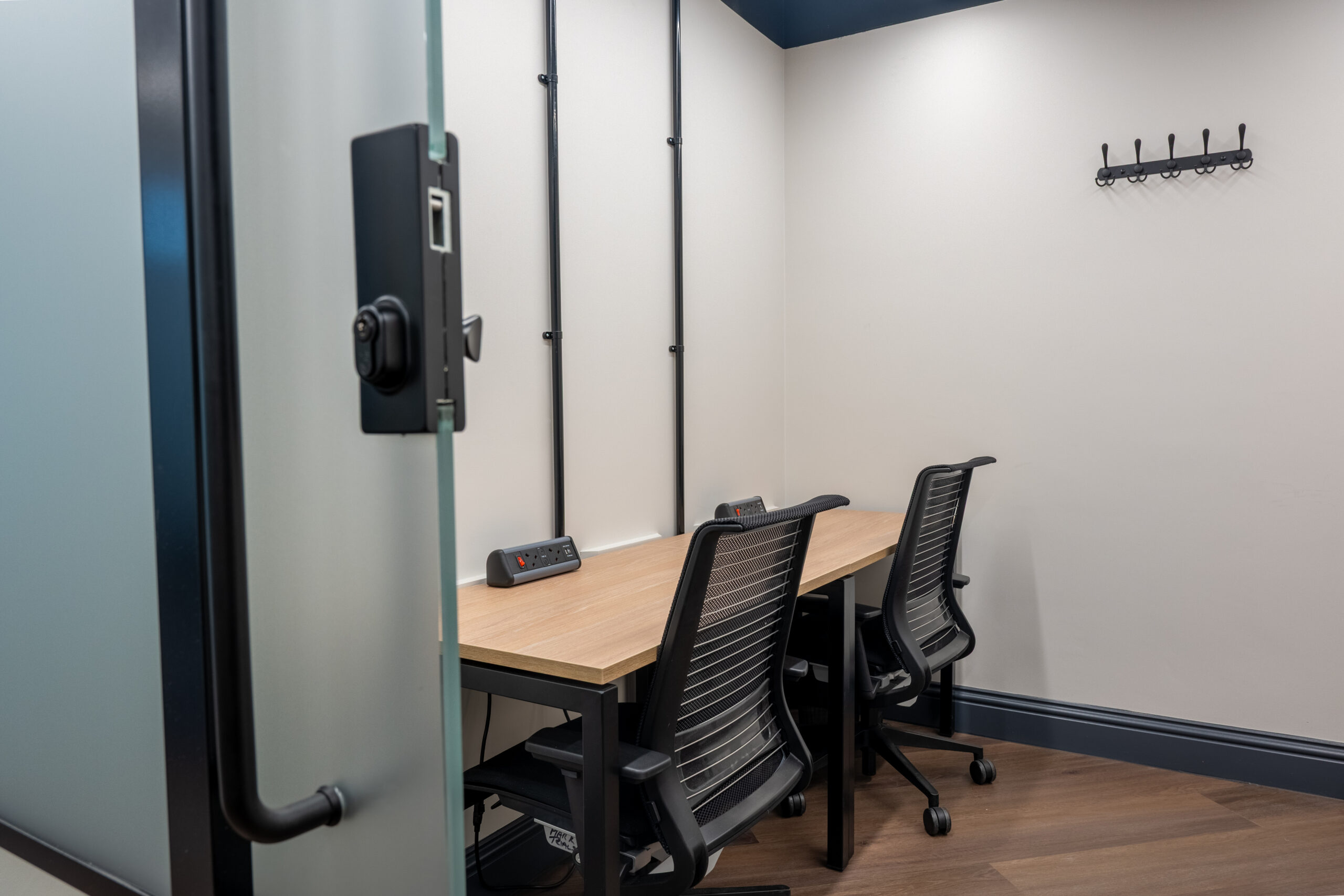
The main difference between using a coworking desk and a private office out of hours is how much you can leave set up. A hot desk member may have the same access hours but needs to pack away after each session, while a dedicated desk or private office lets you leave a monitor, files and equipment in place. That makes it far easier to drop in late in the evening or for a few hours at the weekend.
A private office also suits early and late calls, because you can talk freely without worrying about members working nearby. The practical differences between hot desks, fixed desks and private offices are worth weighing up if out-of-hours work is a regular part of your week.
Working late through the winter
Working outside nine to five feels different in the winter months, when it is dark by late afternoon. A workspace with good lighting, reliable heating and a short, well-lit walk from public transport makes evening work more comfortable than staying in a cold spare room.
Heating is a cost to consider too. Memberships that include utilities mean you are not paying to heat your home all day and into the evening, which is one reason people compare working from home with coworking in winter once the weather turns.
24/7 access at Apex Coworking in West Hampstead
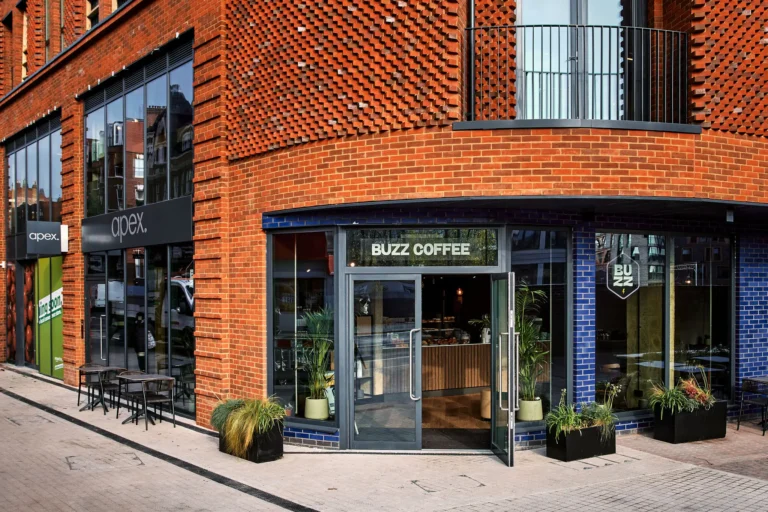
All private office and coworking members at Apex Coworking have secure 24/7 access, so the space can be used early in the morning, late at night and at weekends. Day pass users can use the coworking space from 9am to 5pm, Monday to Friday, which is also when the reception and community team are on hand.
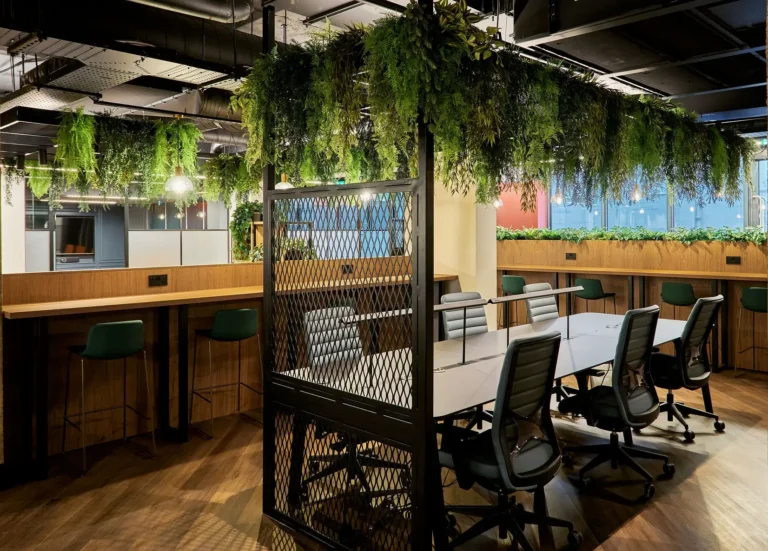
Memberships include utilities such as heating, electricity and air conditioning, along with high-speed Wi-Fi, private phone booths, showers and bookable lockers. Private office members can keep their setup in place between visits, while coworking memberships range from hot desks to dedicated desks.
The building is on West End Lane, close to West Hampstead’s Jubilee line, Overground and Thameslink stations, which makes it practical for members coming from Kilburn, Hampstead and other parts of north-west London.
Enquire about coworking memberships or private offices to find out which option fits your working hours, or arrange a visit to see the space.