Dog-Friendly Offices and Coworking Spaces: What to Check First
A dog-friendly office lets you bring your dog to work instead of arranging a walker, daycare or a rushed trip home at lunchtime. Policies vary a great deal, though. Some workspaces welcome dogs in every area, others limit them to private offices, and many shared offices in London do not allow them at all.
This guide explains what dog-friendly usually means in an office or coworking space, the questions to ask before you sign up, and how to help your dog settle in alongside other members.
What dog-friendly means in an office or coworking space
A dog-friendly label tells you that dogs are allowed in the building, but it rarely gives you the full picture. Each workspace sets its own rules about where dogs can go, how many can be in at once and what is expected of owners.
In a coworking space, the policy has to work for everyone sharing the floor. Dogs are usually welcome on the condition that they are calm, house-trained and comfortable around people they do not know. Members with allergies or a fear of dogs also need to work without disruption, so many operators keep some areas dog-free.
In a conventional leased office, the decision may sit with the landlord or building management rather than the business renting the space. A company can be happy for staff to bring dogs in while the lease or building rules say otherwise, which is worth checking before anyone turns up with a lead.
What to check before choosing a dog-friendly coworking space
Asking a few specific questions before you join avoids surprises on your first day. The answers also show how carefully the workspace has thought through its policy.
- Which areas dogs can use. Check whether dogs are allowed in shared desk areas, private offices, kitchens, phone booths and meeting rooms, or only some of them.
- Whether the policy covers your membership. Some workspaces allow dogs for private office members but not on hot desks or day passes.
- Registration and paperwork. You may be asked to register your dog, confirm vaccinations and flea treatment, or show proof of pet liability insurance.
- Limits on numbers or size. A busy floor can only comfortably hold so many dogs, so some operators cap how many can come in each day.
- Behaviour expectations. Ask what happens if a dog barks persistently, has an accident or does not get on with another dog.
- Outdoor space nearby. Your dog will need regular toilet breaks and a proper walk, so a park or green space within easy reach makes a real difference.
- Quieter hours. If you work early or late, check whether the dog policy still applies when the building is unstaffed.
It is also worth visiting with your dog before committing. A short trial shows how the space feels in practice and how your dog reacts to the noise, the lifts and other people.
Working with a dog at a shared desk or in a private office
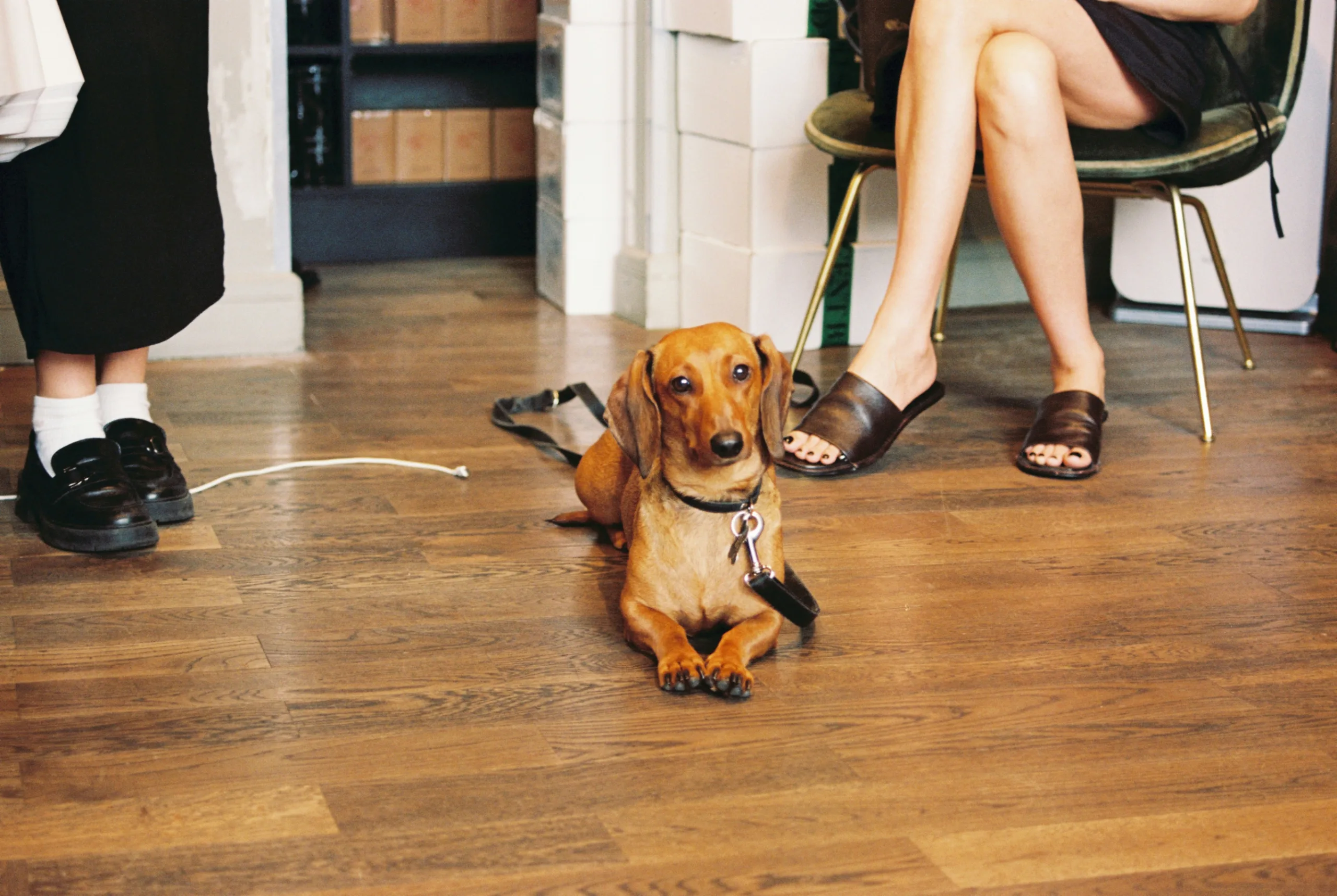
The main difference between bringing a dog to a shared desk and bringing one to a private office is how much control you have over its surroundings. At a shared desk, your dog sits in an open area with people coming and going, so it needs to settle quietly beside you for long periods.
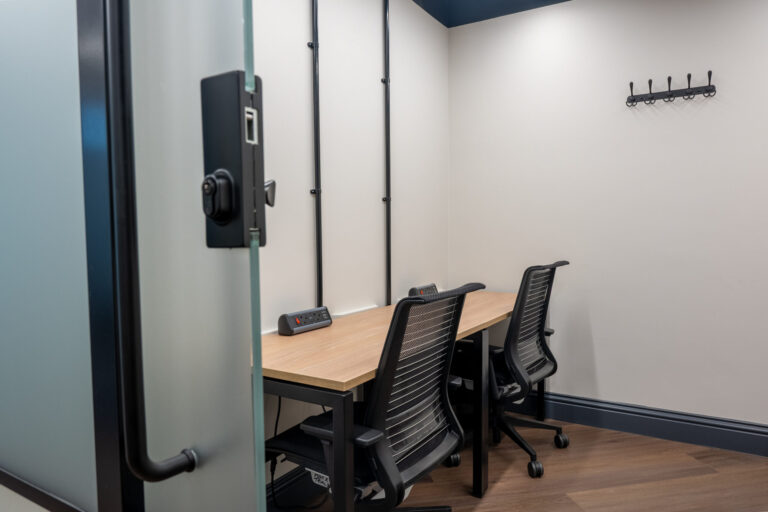
A private office gives your dog a room with a door, which suits dogs that are easily distracted or rest better away from foot traffic. It also makes life easier for neighbouring members, because any noise or movement stays largely within your own space. Where several people in a team want to bring their dogs in, a private office is usually the more practical choice.
Preparing your dog for a shared workspace
Dogs that are used to a quiet home can find an office tiring at first. Starting with half days gives your dog time to adjust to new sounds, smells and people before you build up to a full working day.
A few things make the first weeks easier:
- A familiar bed or mat that marks out your dog’s spot
- A water bowl, poo bags and a spare lead kept at your desk
- Chews or quiet toys, rather than squeaky ones that disturb others
- A set routine for toilet breaks and a proper walk at lunchtime
Keep your dog on a lead in shared areas until you both know the space and the people in it. Not everyone wants a dog to come over and say hello, so letting other members make the first approach helps the arrangement work for everyone.
Finding dog-friendly office space in London
Dog-friendly office space in London is easier to find than it once was, but it is still far from standard. Large serviced office providers often apply one policy across many buildings, and that policy frequently excludes dogs or allows them only at certain sites.
Smaller, independent coworking spaces tend to have more flexibility, because the people who set the rules also run the building day to day. When comparing options, look past the listing label and ask to see the written policy. A space that can explain exactly where dogs are allowed and what it expects from owners has usually made the policy work in practice.
Location matters too. A workspace close to a park or green space makes lunchtime walks realistic, while one surrounded by busy commercial streets can leave you searching for somewhere suitable.
Bringing your dog to Apex Coworking in West Hampstead
Dogs are welcome at Apex Coworking, so members can bring a well-behaved dog to our workspace on West End Lane rather than leaving it at home.
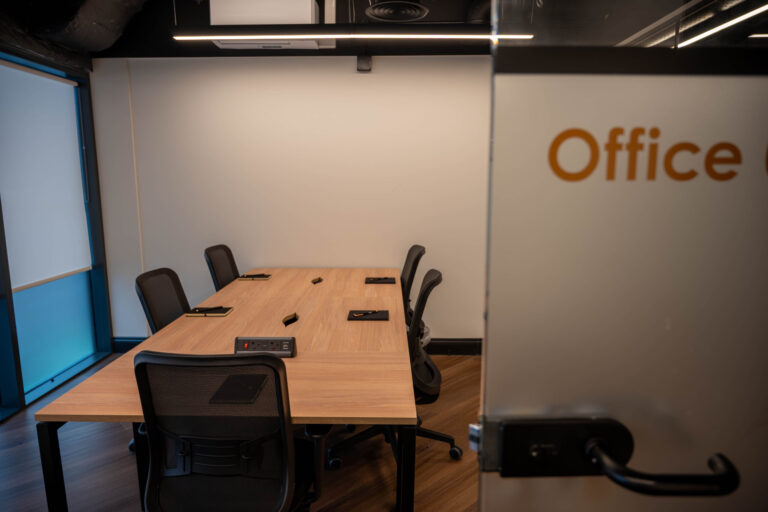
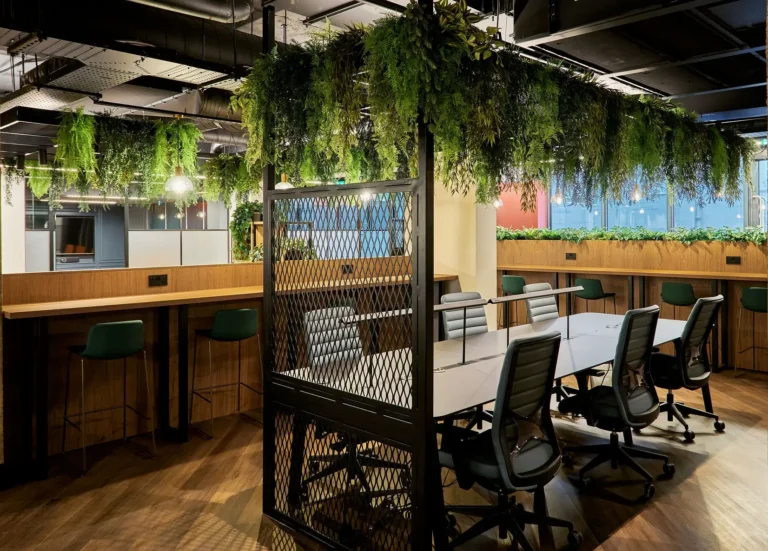
The building offers hot desks, private offices and meeting rooms, which lets you choose the setup that suits you and your dog. If your dog settles best away from foot traffic, a private office in our coworking space gives it a quieter room of its own. The Apex Lounge is also on hand for coffee breaks during the day.
West Hampstead’s Jubilee line, Overground and Thameslink stations are close by, which helps if you travel in from Kilburn, Hampstead or elsewhere in north-west London.
Arrange a visit with your dog to see the space, or enquire about hot desk and private office memberships in West Hampstead.